In the ever-evolving landscape of cryptocurrency, mobile mining has emerged as a novel approach that leverages the power of smartphones to mine digital assets. This innovative method promises a more accessible entry point into the world of cryptocurrency mining, allowing users to participate without the need for expensive hardware. Here’s a closer look at mobile mining, its benefits, challenges, and future prospects.
What is Mobile Mining?
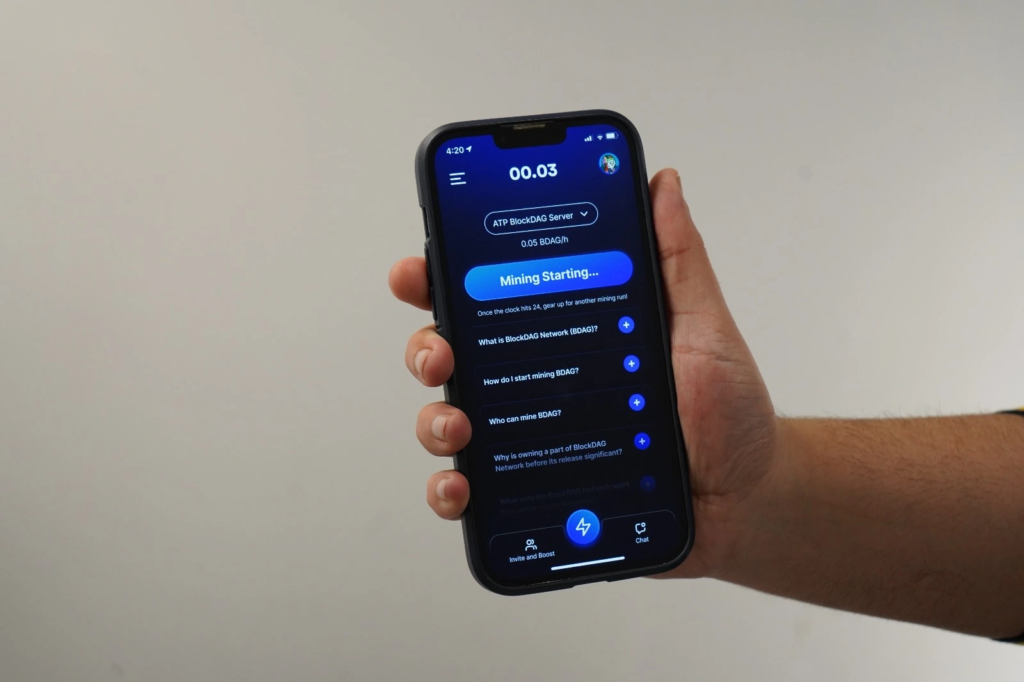
Mobile mining refers to the process of using a smartphone’s computing power to mine cryptocurrencies. Unlike traditional mining, which relies on high-performance hardware such as ASICs (Application-Specific Integrated Circuits) or GPUs (Graphics Processing Units), mobile mining utilizes the CPU (Central Processing Unit) or GPU of a mobile device. Through specialized mining apps, users can contribute their device’s processing power to solve complex cryptographic puzzles necessary for validating transactions on a blockchain network.
How Does Mobile Mining Work?
Mobile mining typically involves downloading a mining app from an app store or a developer’s website. These apps are designed to run in the background, using the smartphone’s resources to perform mining tasks. Here’s a basic outline of the process:
Installation: Users install a mobile mining app on their smartphone.
Configuration: The app may require users to set up an account and connect to a mining pool—a collective of miners who share computational resources and rewards.
Mining: The app runs in the background, using the smartphone’s CPU or GPU to mine cryptocurrency. The app submits the computational work to the mining pool and, in return, the user earns a share of the rewards.
Advantages of Mobile Mining
Accessibility: Mobile mining offers a lower barrier to entry compared to traditional mining. Users don’t need to invest in expensive hardware, making it an appealing option for those new to cryptocurrency.
Convenience: With mobile mining, users can mine from anywhere as long as they have their smartphone. This convenience allows for mining while on the go or during idle times.
Low Initial Cost: Since it uses existing smartphones, mobile mining requires minimal initial investment. This makes it a cost-effective way to explore cryptocurrency mining.
Challenges and Limitations
Low Mining Power: Smartphones have significantly less computational power than dedicated mining rigs. Consequently, the amount of cryptocurrency mined through mobile devices is relatively small, making it less profitable.
Device Wear and Tear: Continuous mining can put a strain on a smartphone’s hardware, leading to overheating, battery degradation, and reduced device lifespan.
Security Risks: Some mobile mining apps may be fraudulent or contain malware. Users should be cautious and ensure they download apps from reputable sources to avoid potential security threats.
Energy Consumption: While smartphones use less power than traditional mining equipment, mobile mining still consumes electricity, which can lead to higher energy costs and environmental concerns.
The Future of Mobile Mining
The future of mobile mining depends on several factors, including advancements in smartphone technology and mining algorithms. As mobile devices become more powerful, their mining capabilities could improve. Developers are working on optimizing mining software to enhance performance and efficiency on mobile platforms.
Additionally, as the cryptocurrency market grows, mobile mining could play a role in democratizing access to mining opportunities. By enabling more people to participate, mobile mining could contribute to the broader adoption of cryptocurrencies.
Conclusion
Mobile mining represents a fascinating development in the cryptocurrency space, offering a more accessible and convenient way for individuals to engage in mining activities. While it may not yet match the profitability of traditional mining methods, it provides an entry point for those interested in exploring the world of digital currencies. As technology advances and the crypto landscape evolves, mobile mining could become an increasingly viable option for earning cryptocurrency, bridging the gap between casual users and the complex world of mining.